Familiarity with the specifications and exporting of red willow tree
Iran Red Willow : The red willow tree is known in Latin as the Red Willow Tree and scientifically as Salix purpurea ( Salix laevigata ). As its name suggests, this tree belongs to the willow family and is a type of willow tree.
Red willow is a small tree that grows around ponds, especially in humid climates. The red willow tree has long, slender leaves with a light green color. The bark of the tree is reddish-brown and has a rough texture.
According to the US Department of Agriculture, red willow trees are found in areas 5 to 10 and are native to the coasts of California, Arizona and southwestern Utah. The red willow tree is a small tree that grows near wetlands and lakes; This tree grows in areas with moist soils.
read more : Everything about giant reed : How to Plant & care for them
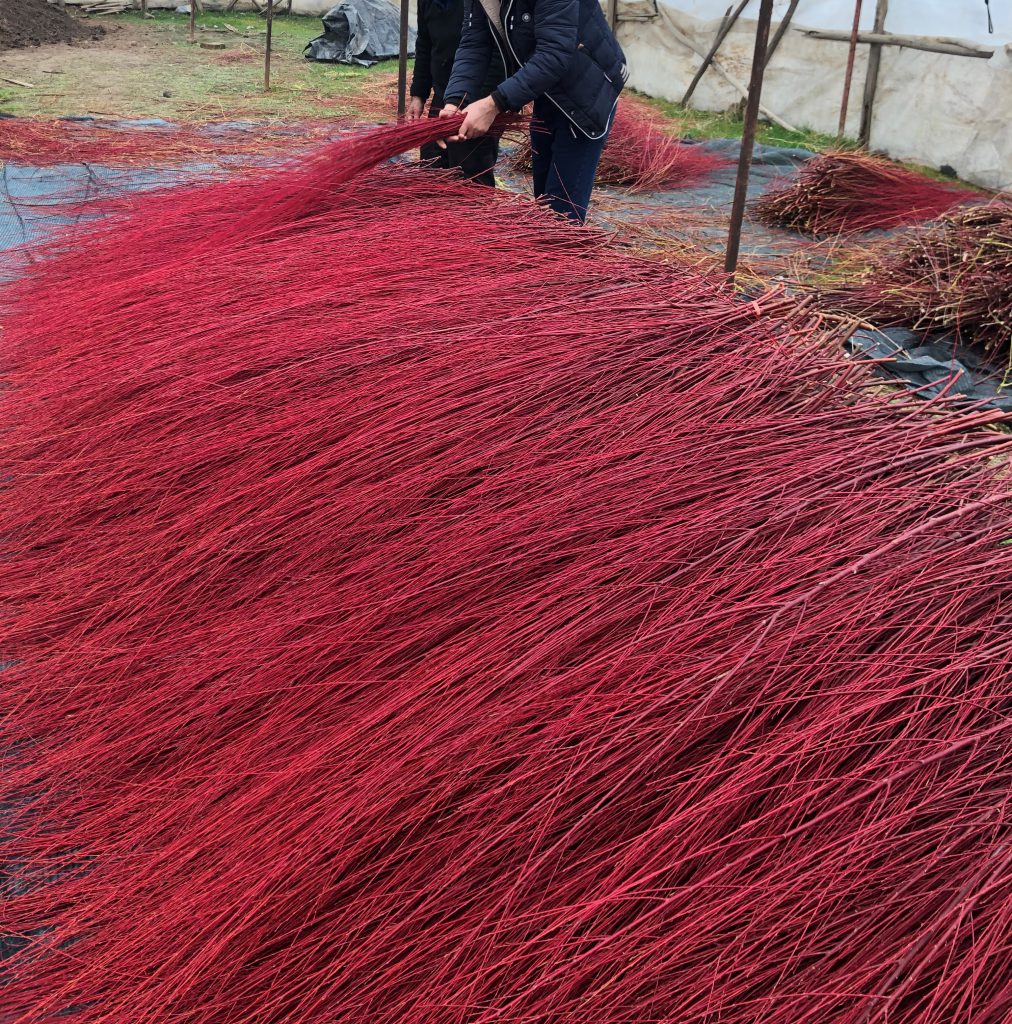
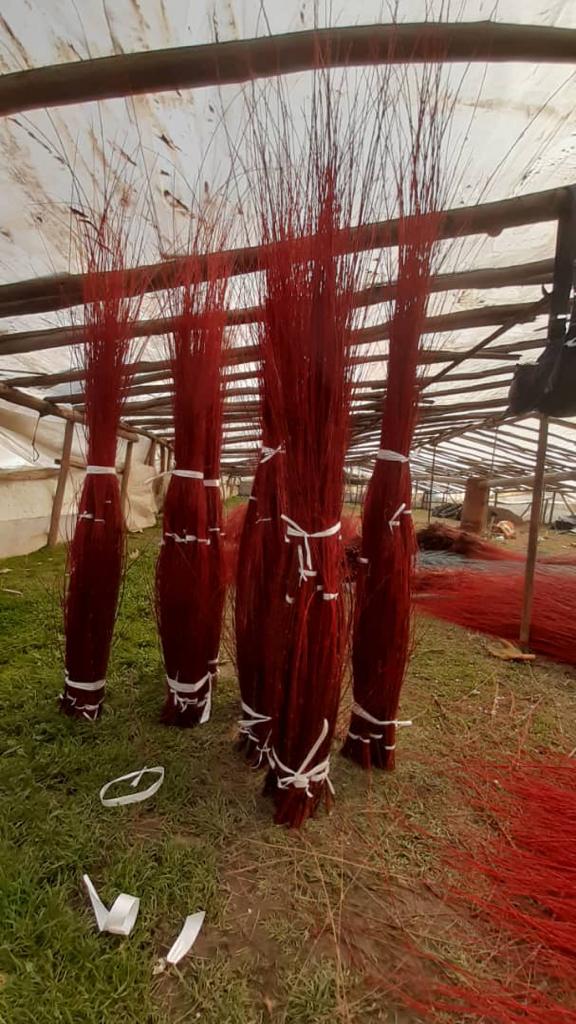
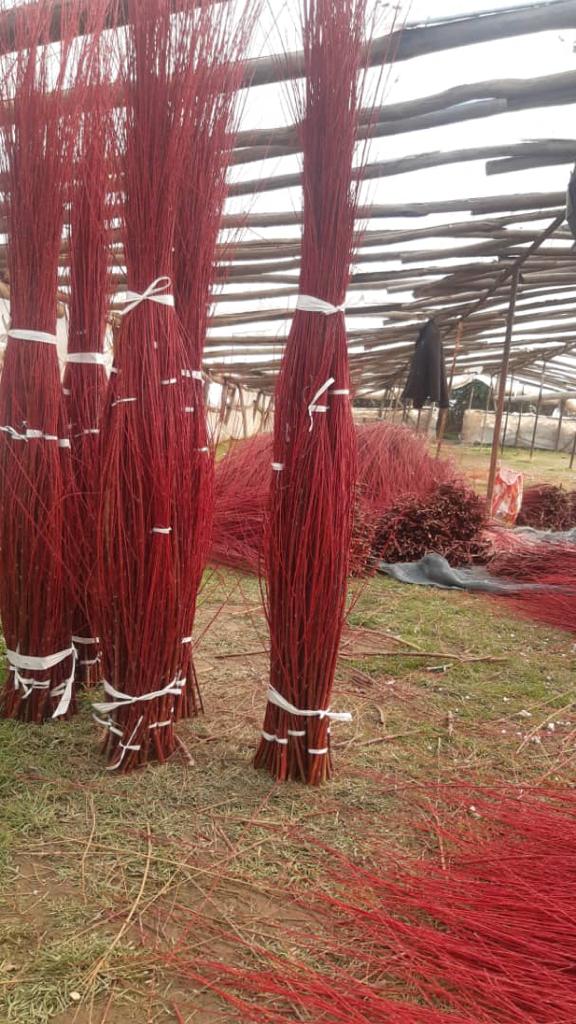
Morphological and Botanical Characteristics
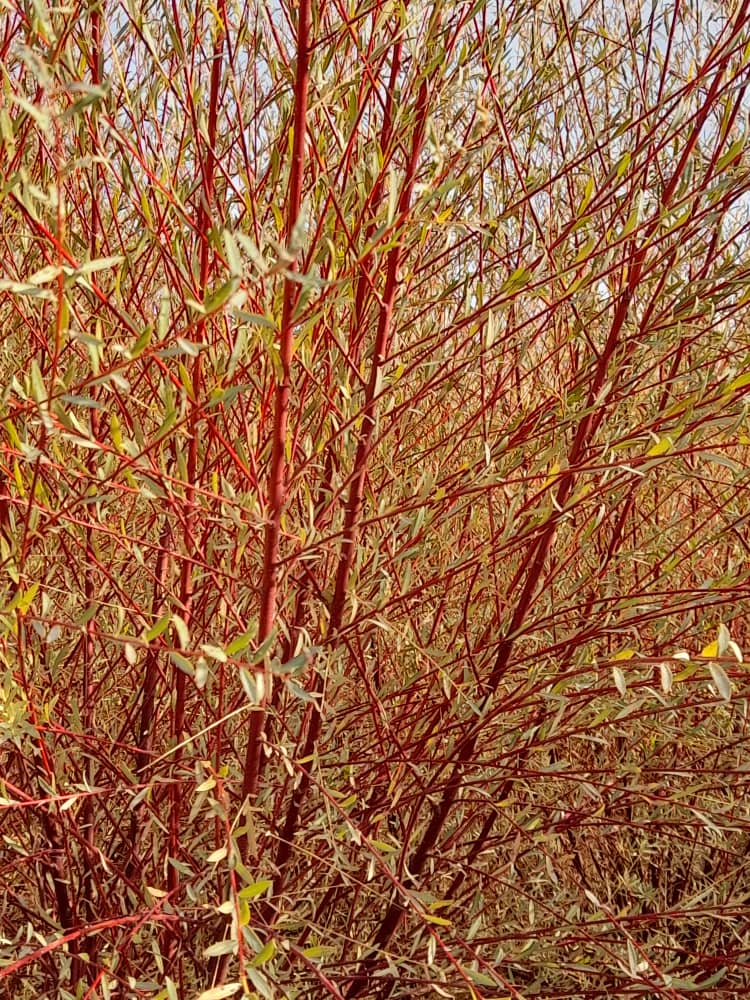
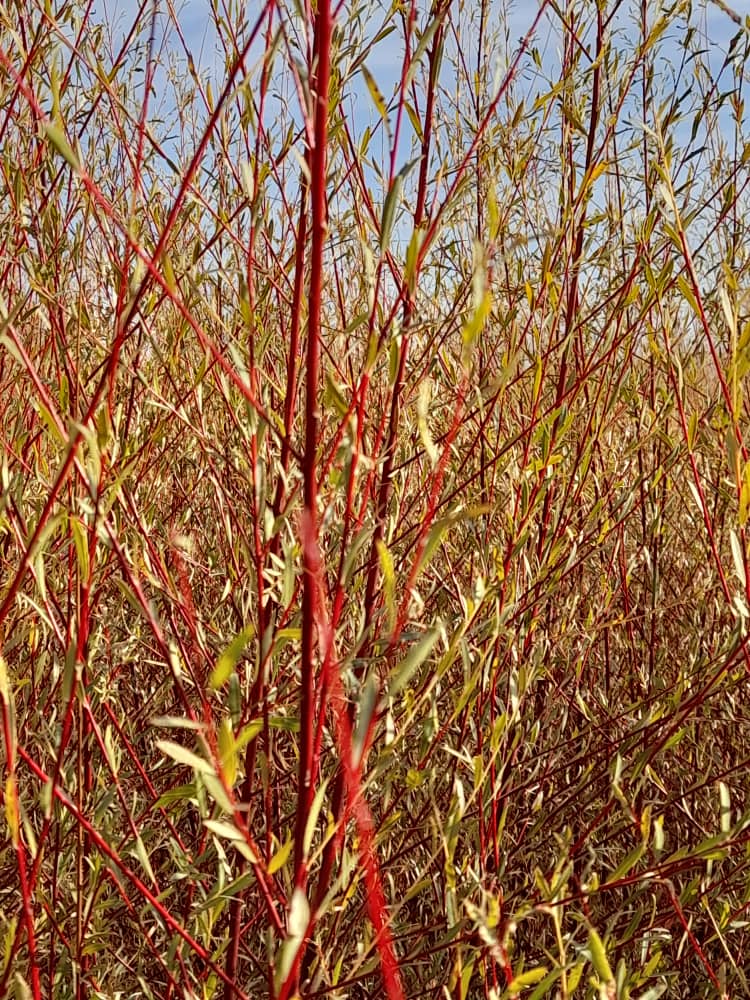
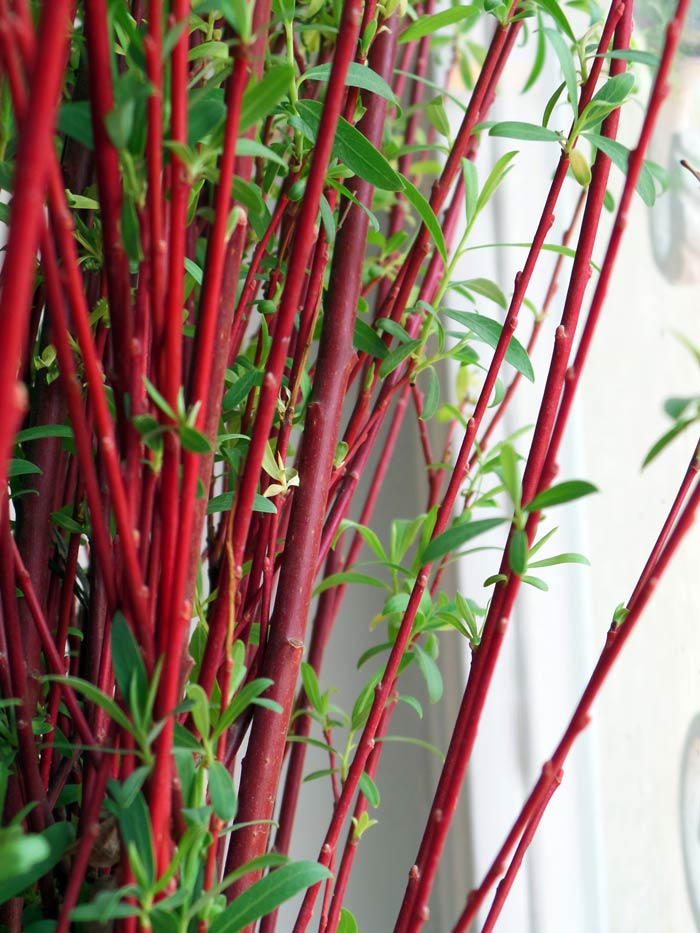
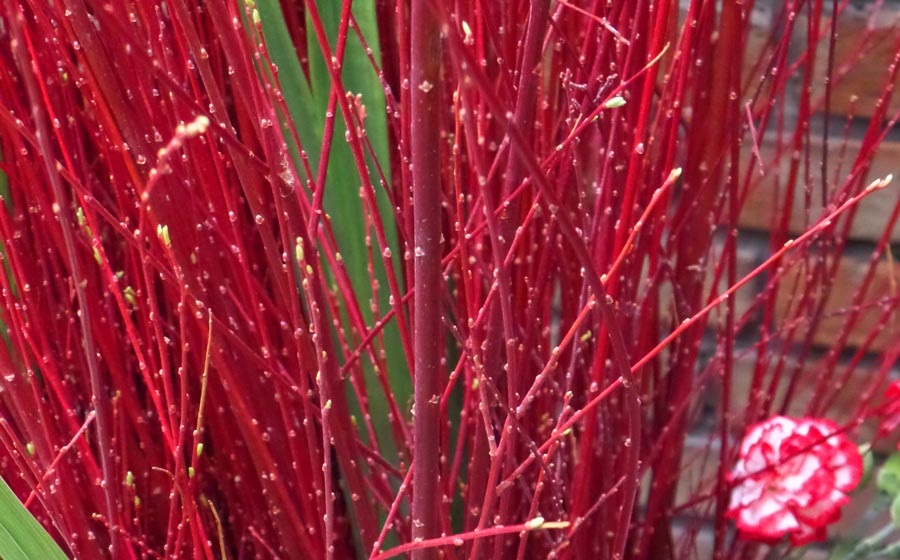
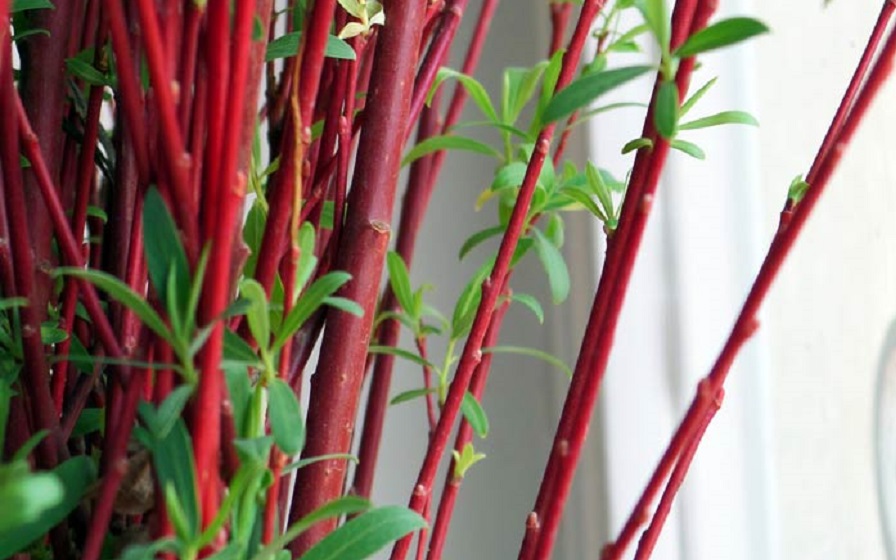
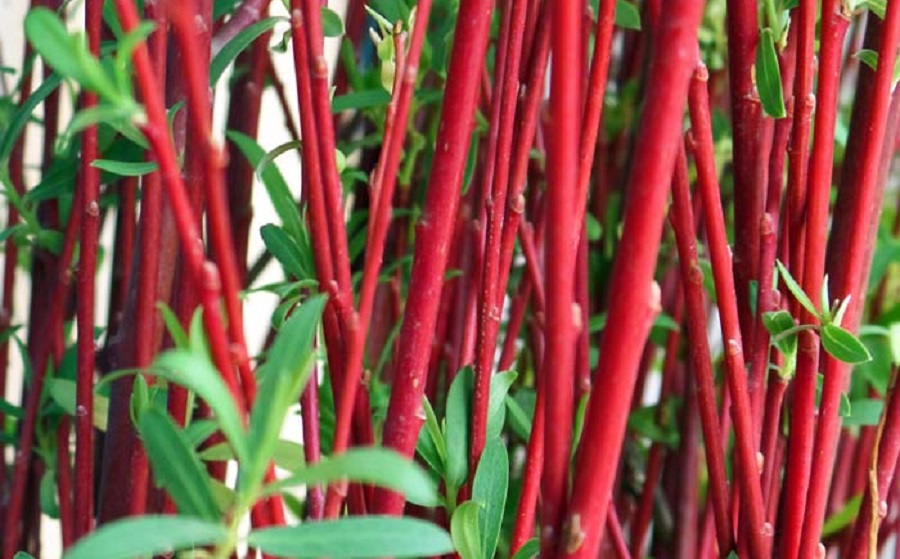
The leaves of the red willow are narrow, elongated, and lance-shaped, ranging in color from light green to silvery green; the underside of the leaves is usually bluish-green. Young stems are flexible and brownish-purple in color, gradually turning light gray as they age.
The bark of the trunk is reddish-brown and has a rough texture. The flowers of the red willow are small, measuring between 1.5 and 4.5 cm in length. The fruits are capsule-shaped and, once mature, produce lightweight, white seeds that are dispersed by the wind.
The average lifespan of red willow from planting is approximately 40 to 70 years.
Plant Varieties (Subspecies and Forms)
The red willow has several subspecies and forms, including :
• Salix purpurea subsp. purpurea — widespread in Europe and North Africa
• Salix purpurea subsp. leucodermis — found in Turkey
• Forms such as Salix purpurea f. gracilis with slender branches
• ‘Pendula’ — a weeping, ornamental cultivar favored by gardeners
Each of these types can have different applications in visual appeal, agriculture, or horticulture.
Growth Habit and Tree Dimensions
The growth of red willow depends on environmental conditions. Its height typically ranges from 3 to 9 meters (and in some sources 3 to 6 meters). This tree has dense foliage, and as it grows taller, the width of its crown also increases, reaching approximately 3 to 13 meters.
Root System
The red willow has an extensive root system that is highly active in water uptake. These roots are constantly searching for water sources and may damage underground pipes or cause deterioration of nearby sidewalks and paving. This characteristic makes the species particularly valuable for soil stabilization in erosion-prone areas.
Growth Habit and Tree Dimensions
The growth of red willow depends on environmental conditions. Its height typically ranges from 3 to 9 meters (and in some sources 3 to 6 meters). This tree has dense foliage, and as it grows taller, the width of its crown also increases, reaching approximately 3 to 13 meters.
The red willow has an extensive root system that is highly active in water uptake. These roots are constantly searching for water sources and may damage underground pipes or cause deterioration of nearby sidewalks and paving. This characteristic makes the species particularly valuable for soil stabilization in erosion-prone areas.

Pruning
Red Willow, known for its attractive foliage and rapid growth, benefits greatly from regular pruning. Optimal pruning is done in early spring before new growth begins. Key techniques include removing dead or diseased wood, thinning crowded branches to improve air circulation, and shaping the plant to maintain its aesthetic form.
Pruning red Willow promotes healthy growth and prevents disease. Use clean, sharp tools to make precise cuts just above bud nodes or lateral branches, ensuring swift and efficient healing.
Uses of Red Willow
Handicrafts and Basketry
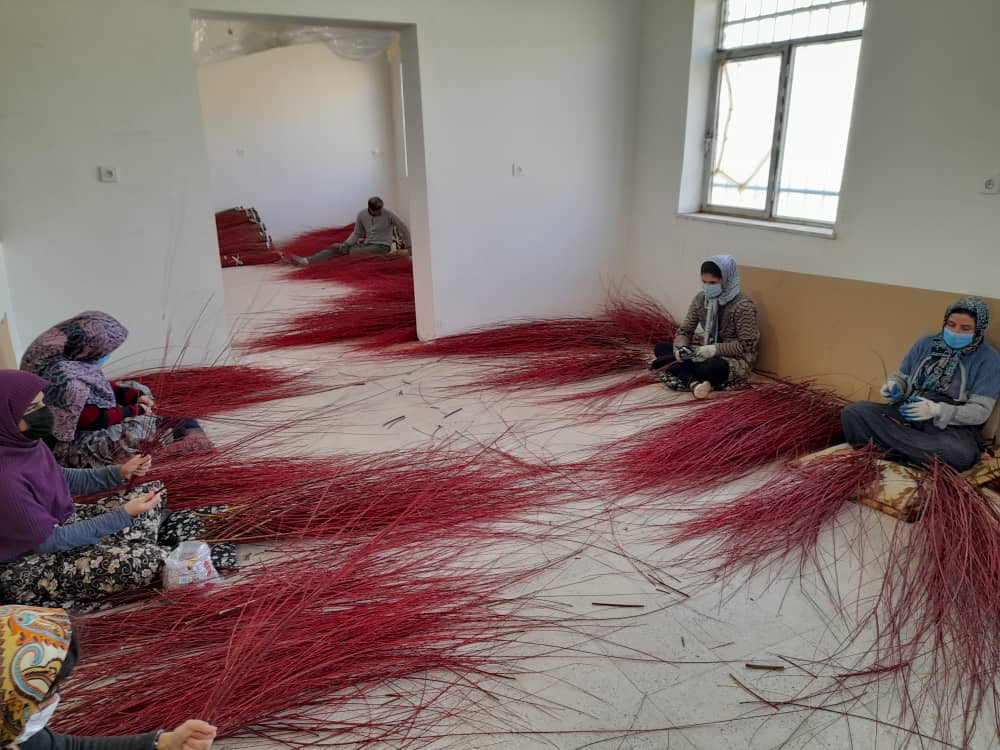
The flexible branches of red willow are widely used in basket weaving, mat weaving, wicker furniture, and living structures.
Medicinal Uses
The bark contains salicin, which is converted in the body into salicylic acid and has anti-inflammatory, antipyretic, and pain-relieving properties. In herbal medicine, it is highly recommended for treating colds.
Environmental usages
- Soil stabilization and erosion control
- Use in natural water filtration projects (phytodepuration)
- Enhancement of biodiversity and support for bees and other pollinators
Ornamental Uses
It is used as an ornamental shrub or tree, a windbreak, and an element in landscape design.
It is said that keeping a few red willow branches indoors may have antiviral properties and help prevent colds.
Planting red willow for export in Iran
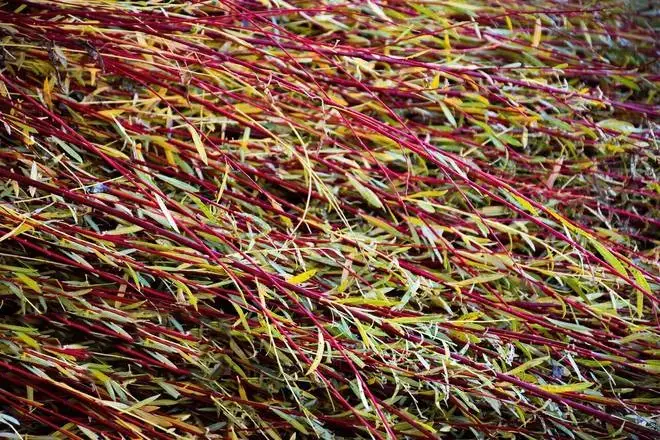
Mahallat city with 910 hectares of cultivated area ranks first in the country in the production and export of red willow and its harvest season is usually from mid-December to late March . Bozijan village and its suburbs have the highest area and production of red willow shrubs and this product is processed and packaged in the export terminal.
How to plant red willow
Use half-ripe cuttings in summer or hardwood cuttings in winter. Plant the cuttings in deep, well-drained soil. This shrub needs sunlight, so avoid shady places. The method of sowing seeds is through the wind in order for the white seeds covered by the wind to spread in the area and grow after a while.
Lands that are constantly exposed to sunlight are ideal areas for planting this tree. Also, areas that have moist soils and remain moist throughout the year, usually the mountainous areas of the region can be the best option for planting this tree.
Propagation of red willow tree
Red willow trees propagate in their native habitat from wind-blown seeds. You can also sow the seeds of the tree yourself, the seeds can be sown after the fruit of the trees bears fruit. When the fruits of the trees are ripe, you can open the capsules and take out the seeds and drop them in the wind. The average lifespan of these trees from planting is between 40 to 70 years .
Willow trees have extensive root systems and are adapted to seeking and absorbing water. The roots of red willow trees can grow elongated and damage the paving around the tree trunk. Red willow trees in their natural habitat grow mainly along rivers, valleys, water holes and in areas with a height of less than 1524 meters. The red willow tree grows in dry, unhealthy conditions and loses its leaves.
read more : Everything about palm plant : How to Plant & care for them
Ourfamilyproduct is exporter of red willow in Iran . for more information an buy red willow contact us.
Notice : this article has been translated by google translate , if you have any questions or need more information Please contact us by writing a comment on this page.

0 Comments